
01
What was uncovered
02
What wrongdoing occured
Violations of the law on the investigation of complaints against the police, the law on the public prosecutor’s office, and the laws and regulations governing the military prosecutor’s office have occurred.
03
What consequences followed
Psychological abuse, disciplinary proceedings, which were recorded in his personnel file, followed by dismissal from office.
04
What sources it is based on
Attached: certificate of the length of service as a prosecutor.
Whistleblowing timeline
THE WHISTLEBLOWER'S REFUSAL TO OBEY ORDER SIGNALED THE END OF THE DICTATORSHIP
An unlawful order from a chief prosecutor in the communist Hungary.
A few days before the March 15 national holiday, the head of the Budapest Military Prosecution Service summoned Dr. Pinter. Dr. Kovacs indicated that he was aware of the duty officer’s position and therefore instructed him not to record the complaints of opposition demonstrators who had come to the prosecutor’s office to object to police action. He explained that every year they try to file complaints against the police, and this was to be expected that year as well.
In violation of this instruction, he sent a car to pick up the on-duty typist to record the complaint received that night, and upon her arrival, he documented the complaint in a ten-page report.
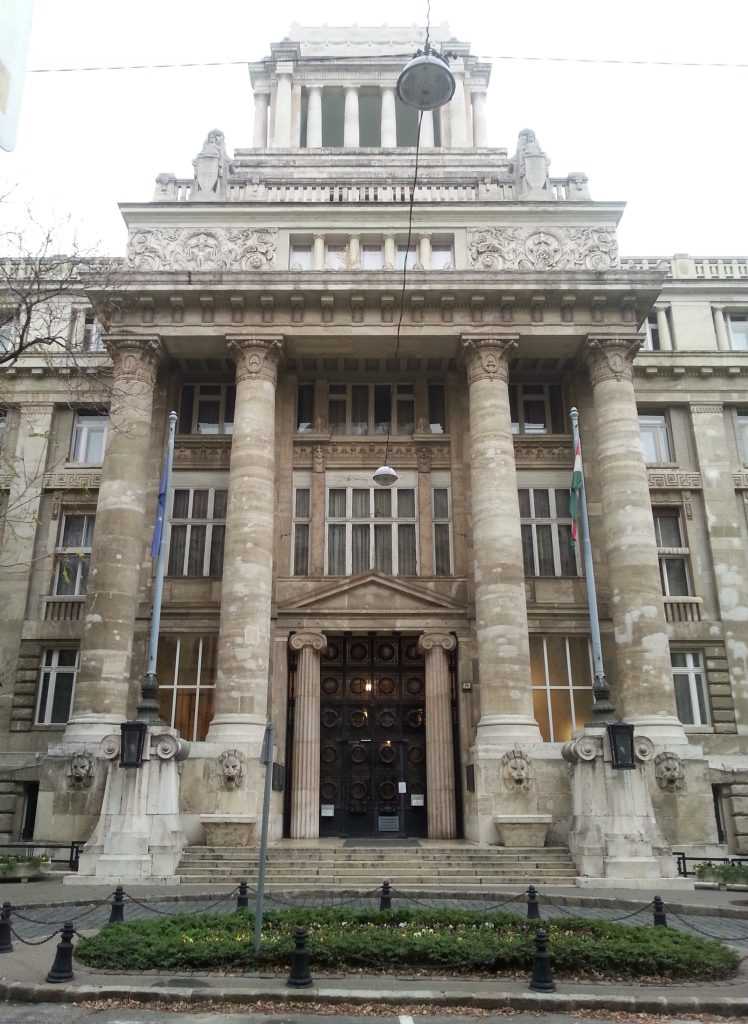
Photo: 12akd / Wikimedia Commons / CC BY-SA 4.0

timeline
- OCTOBER 1985
Dr. Pinter has been appointed as a prosecutor at the Budapest Military Prosecution Service.
- FEBRUARY 1986
Course for investigative prosecutors at the Police Academy.
- MARCH 1987
Unlawful verbal order not to record the complaints of opposition demonstrators.
- MARCH 1987
Dr. Pinter failed to carry out the order.
- JULY 1987
The beginning of reprisals e.g. disciplinary proceeding that was recorded in his personnel file.
- APRIL 1988
Dr. Pinter has resigned from his position as prosecutor.
- MAY 1988
Transfer to the Hungarian Defense Forces Financial and IT Center.
- 1989
Dr. Kovacs was promoted to department head at the Chief Military Prosecution Service.
- 1990
Dr. Kovacs became the Chief Military Prosecutor as lieutenant general.
- 1994
Dr. Kovacs was promoted to major general.
- 2006 - 2010
Dr. Kovacs became the Chief Prosecutor.
PART I – THE WHISTLEBLOWER
After the incident, the atmosphere around him turned icy. A few months later, while he was arranging the funeral of a close relative, an official committee opened his safe and reviewed all the cases he had handled. Since they found no errors or omissions in criminal cases, they noted a delay of a few days in a minor matter. Although this could not be attributed to Dr. Pinter, he nevertheless received a disciplinary reprimand, which was recorded in his personnel file. The whistleblower indicated to his immediate superior that the reprimand might be related to the recorded minutes, but no action was taken.
After a short while, the experienced typist who had been assisting Pinter was transferred to another prosecutor, and he was assigned a novice who had just graduated from typing school. This decision did not merely make his work more difficult; it rendered it nearly impossible. The large number of investigations and the strict deadlines associated with them could not be met with a novice typist, even if, for example, he typed the criminal statistics forms himself after work, often late into the night. He turned once again to his immediate superior, who, however, indicated that he could not protect him and that, and suggested that he should seek employment elsewhere.
PART Ii – WHO LOST WHAT AND WHO WON WHAT
Fortunately, there was a vacancy within the Hungarian Armed Forces, and after the head of the Personnel Directorate learned the details, he helped him secure the position. The head of the Budapest Military Prosecution Service unsuccessfully attempted to block the transfer.
The colonel who issued the unlawful order was soon promoted and transferred to the military prosecution general service. Following Hungary’s democratic transition, he was appointed chief military prosecutor and later became Hungary’s chief prosecutor.
PART Iii – LIST OF AVAILABLE AND CANCELED RESOURCES
Attached: certificate of the length of service as a prosecutor.
Missing: the role of the military prosecution service in the organized criminal tax fraud case known as the “oil bleaching ” scandal.